
WHY MOST SLEEP APNEA TREATMENT EVENTUALLY FAILS
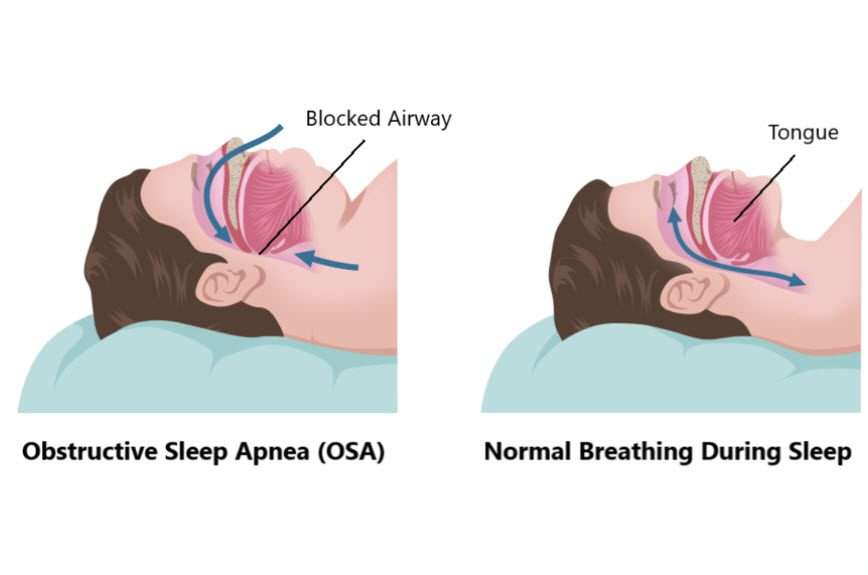
As is so often the case when addressing the functional root causes of health issues, treating sleep apnea often requires a multi-pronged approach. And one of the most common interconnected factors is obesity. (There are other root-cause factors, but those will have to wait for another installment.) Recent research has established a bidirectional relationship between obesity and sleep apnea. While it is well known that excess weight contributes to the severity of Obstructive Sleep Apnea (OSA), it is less commonly known that OSA itself can promote further weight gain.
The Relationship Between Obesity and Sleep Apnea
Numerous studies have shown that individuals with a higher body mass index (BMI) are at an increased risk of developing sleep apnea. For every point increase in BMI, the likelihood of a higher apnea-hypopnea index (AHI) increases by 14%. Additionally, a 10% gain in weight correlates with a predicted 32% increase in AHI. This is because fat can accumulate around the upper airway, narrowing the airway lumen and making it more likely to collapse during sleep, resulting in a higher AHI. Furthermore, if fat deposits surround the thorax, chest compliance (the ability of the chest wall to expand while breathing) and functional residual capacity (FRC, the remaining volume of air in the lungs after a normal exhalation) can be reduced, leading to an increased demand for oxygen.
On the other hand, sleep apnea itself can lead to obesity. Sleep apnea disrupts the balance of hormones that regulate appetite, causing increased hunger and weight gain. Specifically, sleep apnea can increase the production of the hormone leptin, which signals the body when it is full. The body then builds resistance to the hormone, leading to a decreased feeling of satiety from eating.
The Impact of Weight Loss on Sleep Apnea
Weight loss has been found to be an effective method of managing sleep apnea. A 10% decrease in weight is predicted to decrease AHI by 26%. Losing excess weight can remove fat deposits around the neck and throat, preventing airway obstruction. Similarly, weight loss can reduce fat around the chest wall, further reducing the chance of airway obstruction and helping to increase FRC.
However, weight loss can be challenging without proper rest. Individuals with sleep apnea often have lower energy levels due to disrupted sleep, making it difficult to exercise during the day. This is just one reason why treatment for sleep apnea and weight loss should go hand in hand. Neglecting to do so may very well doom your efforts to failure.
Functional Weight Loss
This failure to recognize that health issues usually have more than one root cause is the number one reason so many resort to drugs and/or surgery to solve both of these common issues – sleep loss and obesity. This is why here at Functional Sleep Medicine (FunSleepMed.com) we almost always include a Maverick Health (MaverickHealth.life) membership with our patient’s treatment so that we can be sure that every possible contributing root cause is being addressed, thus assuring the greatest possible chance of success!
Want to lose weight without pills or surgery? Comprehensive functional therapy must be part of your answer.
Want to sleep better without that obnoxious CPAP? Comprehensive functional therapy must be part of your answer.
Want to get started now? Call me here: 855-55DRLON (855-553-7566)